

Our Services
Eating Disorder & Disordered Eating Support — Massachusetts & Florida
You don't need a diagnosis to deserve support. If food feels complicated, we're the right place to start.

Why Youre Good for Eating Disorder Support

Only about 1 in 10 people with an eating disorder ever receive treatment. The most common reasons — shame, the belief that their situation isn't serious enough, fear of being judged, and past experiences with providers who didn't understand. We know this because our patients tell us. Kristen Pasters is certified in treating binge eating disorder and is a certified shame-informed treatment specialist. This isn't an add-on to our practice — it's fundamental to how we operate.
Whether you're dealing with emotional eating, obsessive thoughts about food, binge and restrict cycles, or a more formal eating disorder diagnosis, we provide care that's informed, compassionate, and built around you. We treat the whole picture — and when eating disorder care intersects with weight management or hormonal health, we integrate it rather than silo it.

How It Works
Your first visit is a conversation. We ask about your relationship with food, your history, what patterns you've noticed, and what kind of support you're looking for. There's no clinical checklist being run against you. We listen first and build from what you share. Depending on your situation, your care plan may include behavioral support, nutrition counseling, medication when appropriate, and coordination with other providers.
What to Expect
To be heard. Many of our patients come in having been dismissed, or having dismissed themselves — believing their situation didn't rise to the level of needing help. We take a different view. If food or your body is a source of significant distress in your life, that's enough reason to be here. You won't leave your first visit with a label — you'll leave with a plan.
When You’ll See Results
Recovery from disordered eating looks different for everyone, and it's rarely linear. What we can tell you is that patients who engage consistently with informed, compassionate care make real progress — in their relationship with food, in their ability to recognize patterns, and often in their overall physical health as well. The goal isn't perfection. It's a life where food isn't the loudest thing in the room.

Ready to talk to someone who actually gets it? The first conversation is just that — a conversation. Whenever you're ready, we're here.
Frequently Asked Questions
Reaching out for eating disorder support takes courage. These are the questions we hear from people who are considering it — and the answers we give them.
-
No. Many of our patients come to us with patterns they've never had a name for — eating past fullness when stressed, rigid food rules that cause anxiety, constant preoccupation with what they've eaten or what they're going to eat next. You don't need paperwork or a prior diagnosis to deserve support. If your relationship with food is causing distress, that's enough.
-
This is one of the most common barriers to seeking care — and one of the most harmful. Eating disorders and disordered eating exist on a spectrum, and you don't have to be at the most severe end to deserve treatment. People of all body sizes, all backgrounds, and all levels of severity benefit from eating disorder-informed care. Waiting until things get worse is never the right answer.
-
We understand why that fear exists. Kristen Pasters is a certified shame-informed treatment specialist — meaning our approach is specifically designed to avoid the kind of messaging that causes harm. We don't use weight as a measure of health worth, we don't make comments about body size, and we don't prescribe restriction as a solution. What we do is listen, take you seriously, and build a plan that respects your whole experience.
-
Yes — and this is actually one of the things that makes Youre Good unusual. We treat eating disorder support and weight management as connected, not competing. We're careful to make sure that any weight-related care we provide doesn't worsen a patient's relationship with food — because that's not progress. We integrate both thoughtfully, with your wellbeing as the foundation.
-
Not necessarily in the traditional sense. Our approach includes behavioral support and counseling within your medical care — it's not a referral to a separate therapist you've never met. That said, depending on your situation, we may recommend additional mental health support alongside your care here. We discuss all of this with you before making any recommendations.
-
That fear is real and worth naming. The goal of eating disorder support at Youre Good is never to take away control — it's to help you build a relationship with food that doesn't feel like a constant battle. We move at a pace that feels manageable, and we don't push you toward anything without your understanding and agreement.
STAY IN THE KNOW
Get the Real Talk on weight, hormones, and feeling better - delivered to your inbox.
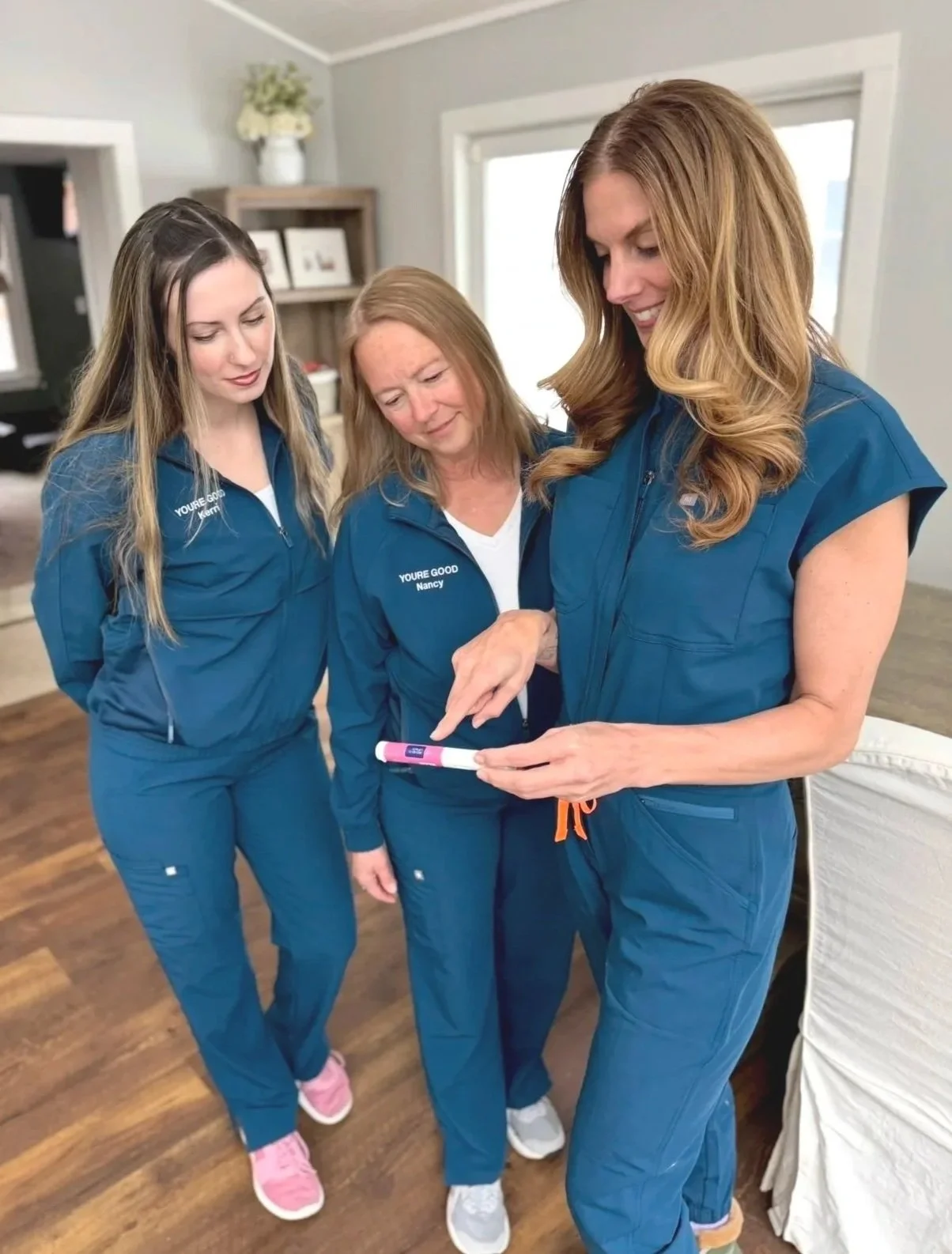
We share practical information, updates from the practice, and honest health content from people who actually know what they're talking about. Join the list and stay connected.

Youre Good is accepting new patients in Massachusetts and Florida
One call gets you scheduled. We'll handle everything else.